You’ve got a CQC inspection coming up. Like all care managers, you’re anxious. You know your team provide great care, but what exactly will the inspectors want to see, and how can you get this ready?
CQC inspectors need to see comprehensive records. They’ll tell you what they want to see – care plans, risk assessments, and other client records, as well as details about staff and governance. If you use home care software, this is where it’ll come into its own – it should be able to quickly generate reports and provide the information you need.
Inspectors will also want to talk to staff members, clients and their families. Additionally, they’ll observe care delivery, and watch how your team interact with service users.
You may have heard that there’s a new assessment framework being piloted. It’s true; there are changes coming for CQC assessments.
In this article, we’ll look at that new framework, explain what inspectors want to see, and tell you how you can get your home care service ready for a CQC inspection. We’ll also give you a preparation checklist so you can get started right away.
Quick check: could you show an inspector today?
Answer seven quick questions about your records as they stand right now. You’ll get a readiness rating and your biggest gaps to close first. Your answers stay on this page – nothing is saved or sent anywhere.
0 of 7 answered
1. Are every client’s care plans and risk assessments current, and reviewed on time?
2. Are your MAR charts complete, with no unexplained gaps?
3. Could you pull up any client’s daily notes from the last month in minutes?
4. Can you prove every care visit happened on time, and who attended?
5. Are DBS checks, references and training records complete for every staff member?
6. Do complaints, incidents and audits all have recorded actions and outcomes?
7. If an inspector asked for a report today, could you produce it in a few clicks?
Table of Contents

What is the new CQC assessment framework?
The CQC is replacing their Single Assessment Framework with new sector-specific frameworks for adult social care, mental health care, primary care and community services, and hospitals.
For adult social care, the new framework will focus on 24 Key Lines of Enquiry (KLOEs), which fall under the CQC’s existing five key questions.
While the KLOEs are still being finalised, the CQC has published a draft of the new Adult Social Care Assessment Framework – including the draft Key Lines of Enquiry.
The draft Key Lines of Enquiry for the new CQC assessment framework are:
- Is the service safe?
- Safety culture
- Managing risks during care and treatment
- Safe systems, pathways and transitions
- Safeguarding
- Safe environments and infection prevention and control
- Safe staffing
- Safe medicines and treatments
- Is the service effective?
- Assessing needs
- Evidence-based care and equitable outcomes
- Supporting people to live healthier lives
- Consent to care and treatment
- Is the service caring?
- Kindness, compassion and dignity
- Person-centred care
- Independence, choice and control
- Is the service responsive?
- Care provision, integration and continuity
- Listening to and responding to feedback
- Timely and equitable access
- Equity in experiences
- Is the service well-led?
- Strategic direction
- Workforce equity and culture
- Capable and compassionate leaders
- Governance and management
- Partnerships and communities
- Improvement, innovation and learning
These 24 Key Lines of Enquiry will replace the previous 34 quality statements – so you’ll need to provide evidence for the KLOEs, rather than the quality statements.
Not everything has changed, of course.
The CQC will continue to use the same ratings, as well as the five key questions when assessing care providers. And, of course, they’ll continue carrying out inspections, looking at your documentation, talking to staff and clients, and observing care delivery.
When does the new approach start?
The CQC are piloting the new assessment framework at the moment. The pilot will run from June until October 2026, and there will be a final evaluation in November. The new framework is expected to go live towards the end of the year.
The CQC invited feedback about their proposals until June 2026, although they have now stopped collecting responses.
Pilot assessments are running alongside the standard CQC inspections. If your organisation is chosen for a pilot assessment, your participation is voluntary. There’s no regulatory consequence if you decline to take part.
Until the new framework goes live, you’ll continue to be assessed under the current Single Assessment Framework.
Book a free tour
Be ready before the letter arrives
PASS keeps care plans, eMAR, visit records and staff training in one place, and turns them into inspection-ready reports in a few clicks.
👉 Get started with PASS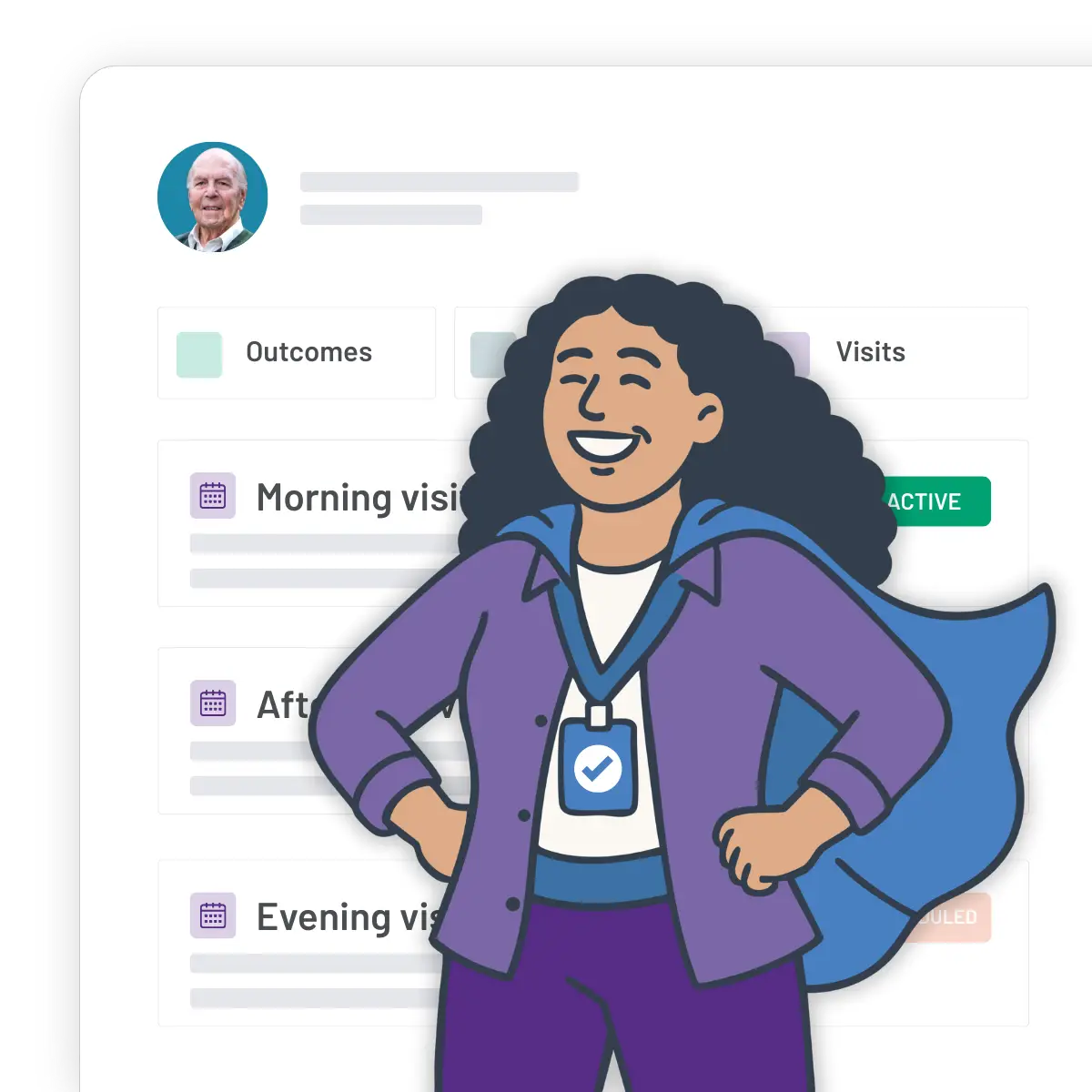
What evidence does CQC look for in domiciliary care?
There are six main categories of evidence that CQC will want to see:
- People’s experiences of your service: This includes phone calls, emails, and completed forms received by the CQC.
- Feedback from staff and leaders: This includes evidence from interviews held with staff and leaders, results from staff surveys, feedback that staff members have already given online to the CQC, and whistleblowing data.
- Feedback from partners: This includes evidence from interviews and comments made by commissioners, regulators, and other local health and social care providers.
- Observations: Inspectors will observe activities during their visit, and use their own findings.
- Processes: This may include details of your policies and procedures, records of your care delivery, incident reporting and findings from investigations, and results from your own audits.
- Outcomes: This may include details from care plan reviews, and information about trends in your service.
What specific paperwork do we need to show CQC?
You’ll need to have comprehensive documentation available for CQC inspectors to check. Inspectors will usually want to see three different categories of records – let’s look at them in more detail.
Documentation about your clients and the care your team delivers:
- Records of initial assessments
- Care plans and risk assessments
- MAR charts or records from your eMAR system
- Daily care notes
- Any incident reports or safeguarding referrals
- Relevant consent forms, mental capacity assessments, or documentation detailing decisions made in a client’s best interest
Documentation about your staff team:
- Enhanced DBS checks
- Employment history and references
- Training records
- Records of reviews and supervision sessions
- Records from your home care software’s electronic call monitoring, proving that each staff member attends care visits on time
Governance documentation:
- Records of complaints and actions taken
- Details about internal investigations
- Details of regular audits
- Records of safeguarding referrals
- Comprehensive records of business continuity plans
It might sound like a lot. But this is all evidence that you’re providing a safe home care service for your clients.
Your team might all be excellent care workers, and your clients might be achieving all of their outcomes. But if you can’t provide the evidence, there’s no way to prove that you’re delivering good care.
Care plans, risk assessments, daily notes, electronic call monitoring and staff training records all show that you know what you’re doing, you’re considering your clients’ needs, and you’re being transparent about your actions.
You know that your team deliver good care – now you need to prove it.
How do I get my service ready for a CQC inspection?
To prepare your home care service for a CQC inspection, make sure that your care workers know what they’re doing. Hold regular mock inspections and audits to give your service the opportunity to fix any issues. If you don’t already, consider using care management software – it can make it so much easier to evidence the great care you’re delivering.
Make sure your team are up-to-date with their training
Inspectors will want to see that your team are well-trained and confident in what they do. Go through your staff records to make sure that your care workers are up-to-date with all of their mandatory training.
Check that your team understand your organisation’s policies and procedures. Do they know how to use your care planning software? Hold refresher courses if necessary, and make sure that your care workers know how to ask for support if they need it.
Hold mock inspections
Mock inspections serve two main purposes. Firstly, they help your staff team feel more comfortable with being observed. Secondly, and perhaps more importantly, they help you identify potential issues – and take action to fix them.

Audit regularly
CQC inspectors will look at your paperwork, and they’ll notice any gaps or areas of concern. Holding regular audits will ensure that you notice issues and take action quickly, whether you need to make safeguarding referrals or make sure staff get extra training.
Have your digital systems ready
If your evidence mainly lives in filing cabinets and assorted spreadsheets, pulling it together for the inspection can take time. But there’s a better option. Home care software makes it much easier to audit your records and quickly provide evidence for CQC inspectors.
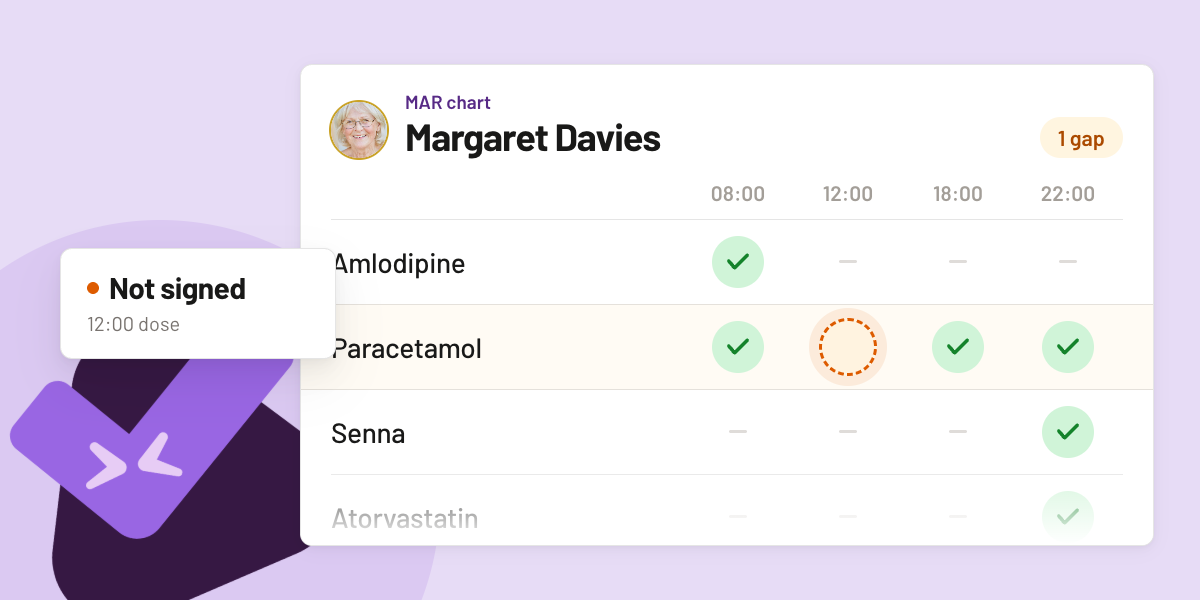
When you use PASS care management software, the useful data is already all in one place. Your electronic call records and daily notes, care plans, incident logs, and medication charts are all there in the app.
And, when the inspector asks for information, PASS can produce a report for you in just a few clicks. It’s so much quicker than going through folders of paperwork or printing dozens of spreadsheets. What’s more, all the data is timestamped and linked to a particular user, so you’ve got an audit trail.
Sound good? Find out more about how to create reports with PASS.
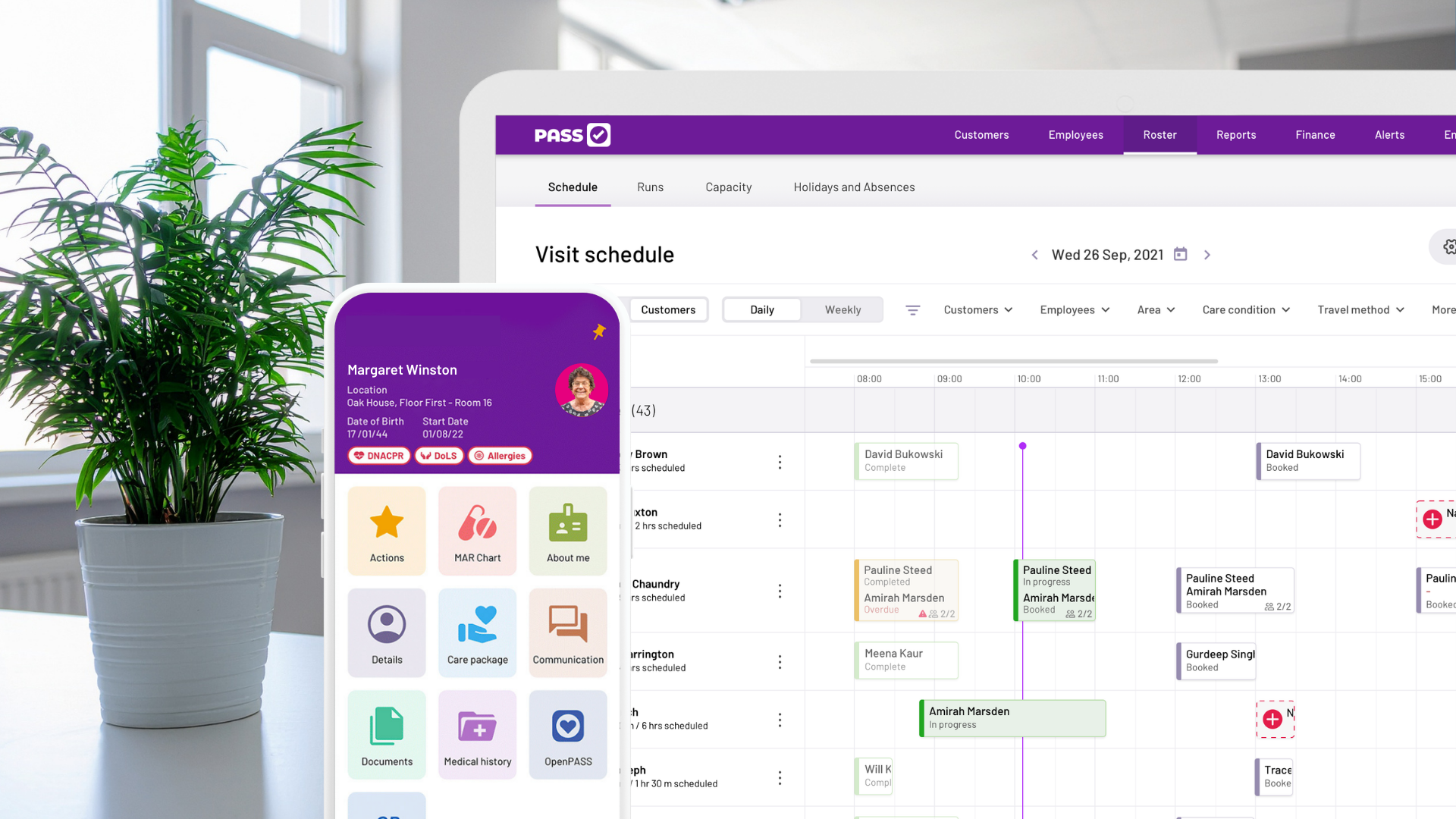
Care plans, visit records and client details in one place – ready to pull into a report when the inspector asks
Reassure your clients
When the time comes for your inspection, the inspectors will want to observe some care visits. You should explain to your clients what is happening, and why inspections are important. Make sure they know that they can talk to inspectors and the staff team if they have any concerns.
Where possible, try to give clients advance warning of observations. If your team will be delivering personal care, make sure that the client is asked for consent, and that their dignity is preserved.

Checklist: How to prepare for a CQC inspection in home care
Still concerned about upcoming CQC inspections? We’ve put together a checklist of concrete actions you can start this week.
Preparing your team
- Check your staffing levels
- Audit staff training records and arrange refresher courses for any out of date training modules
- Run a mock inspection and shadow support workers delivering care
Preparing your clients
- Write a letter to clients and families explaining the inspection process and how they may be affected
Preparing your records
- If the inspection is imminent, complete any pre-inspection paperwork sent by CQC
- Begin a complete audit of your HR files – check for records of DBS checks, qualifications, references, and employment history
- Begin a complete audit of care plans, risk assessments, and medication charts
- Begin an audit of your electronic call monitoring system records
- Begin an audit of your complaints and investigation details
If you use home care software, gathering the information for many of these audits may simply involve generating a report with each set of data.
In the longer term, if you don’t already use care management software, or your home care software can’t quickly pull data into reports for you, consider making the switch to PASS ahead of your next inspection. It will make it so much quicker to evidence that your service delivers great care.
Book a free tour
Show inspectors the service you really run
PASS turns your day-to-day records into timestamped, inspection-ready evidence – produced in a few clicks, not a few days.
👉 Get started with PASS